
Boost Your Child's Math Skills with Soroban Classes

Actualizată în: 16 nov. 2025
Mathematics can often feel daunting for children, leading to frustration and a lack of confidence. However, there is a powerful tool that can transform how kids perceive and engage with math: Soroban, the traditional Japanese abacus. By enrolling your child in Soroban classes, you can help them not only improve their math skills but also develop critical thinking and concentration abilities. In this blog post, we will explore the benefits of Soroban education, how it works, and what you can expect from these classes.

Understanding Soroban
What is Soroban?
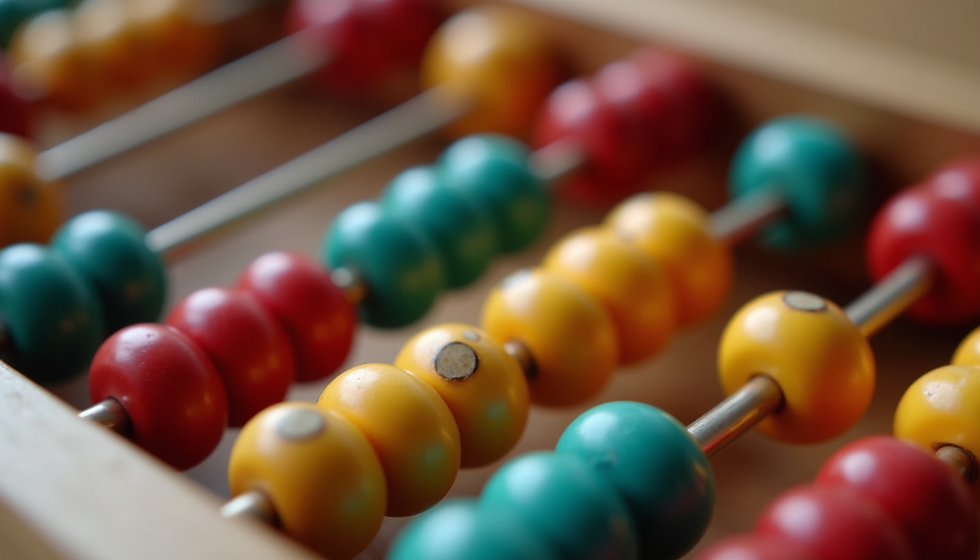
Soroban is a type of abacus that has been used in Japan for centuries. It consists of a rectangular frame with rods that hold beads. Each rod represents a different place value, allowing users to perform various arithmetic operations such as addition, subtraction, multiplication, and division.
How Does Soroban Work?
The Soroban operates on a simple principle: moving beads to represent numbers. Each bead has a specific value, and by manipulating these beads, children can visualize mathematical concepts. This hands-on approach not only makes learning fun but also reinforces understanding through physical interaction.
Benefits of Soroban Classes
Enhances Mental Calculation Skills
One of the most significant advantages of Soroban education is its ability to enhance mental calculation skills. As children practice moving beads and solving problems, they develop a mental image of numbers and calculations. This skill translates into faster and more accurate mental math abilities, which are crucial in everyday life.
Improves Concentration and Focus
In today’s digital age, distractions are everywhere. Soroban classes require children to concentrate on the task at hand, helping them improve their focus. The rhythmic movement of beads encourages mindfulness, allowing kids to engage deeply with the material.
Boosts Confidence
As children master Soroban techniques, they gain confidence in their math abilities. This newfound self-assurance can lead to a positive attitude towards math in general, reducing anxiety and fear associated with the subject.
Develops Problem-Solving Skills
Soroban education encourages critical thinking and problem-solving. Children learn to approach math problems from different angles, fostering creativity and flexibility in their thinking. This skill is not only applicable to math but also beneficial in other academic areas and real-life situations.
Fosters a Love for Learning
When children find joy in learning, they are more likely to pursue knowledge actively. Soroban classes provide a fun and engaging environment where kids can explore math in a playful way. This positive experience can ignite a lifelong love for learning.
What to Expect from Soroban Classes
Class Structure
Soroban classes typically follow a structured curriculum that gradually introduces concepts. Here’s what you can expect:
Introduction to the Soroban: Children learn about the parts of the Soroban and how to use it effectively.
Basic Operations: Classes start with simple addition and subtraction, gradually moving to more complex operations.
Mental Math Techniques: As students progress, they learn to visualize calculations without the physical abacus, enhancing their mental math skills.
Games and Activities: Many instructors incorporate games and activities to make learning enjoyable and interactive.
Age Groups
Soroban classes are suitable for children of various ages, typically starting from around 5 years old. Classes are often divided by age group to ensure that the material is appropriate for each child's developmental stage.
Duration and Frequency
Classes usually last between 45 minutes to an hour and are held once or twice a week. Consistent practice is key to mastering Soroban techniques, so regular attendance is encouraged.
Finding the Right Soroban Class
Research Local Options
When looking for Soroban classes, start by researching local options. Many community centers, schools, and private instructors offer Soroban education. Look for reviews and testimonials to gauge the quality of the program.
Consider Class Size
Smaller class sizes often provide more personalized attention, allowing instructors to cater to each child's needs. This can be particularly beneficial for younger students who may require more guidance.
Check Instructor Qualifications
Ensure that the instructor has experience and training in teaching Soroban. A qualified teacher can make a significant difference in how effectively your child learns.
Supporting Your Child’s Learning at Home
Practice Together
Encourage your child to practice Soroban techniques at home. You can create a fun learning environment by solving problems together or playing math games that reinforce their skills.
Use Online Resources
There are numerous online resources, including videos and interactive games, that can supplement your child's Soroban education. These tools can provide additional practice and keep learning engaging.
Celebrate Achievements
Recognize and celebrate your child's progress, no matter how small. Positive reinforcement can boost their motivation and confidence, making them more eager to learn.
Conclusion
Enrolling your child in Soroban classes can be a transformative experience that enhances their math skills and fosters a love for learning. By providing a hands-on, engaging approach to mathematics, Soroban education equips children with essential skills that will benefit them throughout their academic journey and beyond.
If you’re ready to help your child excel in math, consider finding a Soroban class near you today. The journey to mastering math can be fun and rewarding, and with Soroban, your child will be well on their way to becoming a confident mathematician.


Comentarii